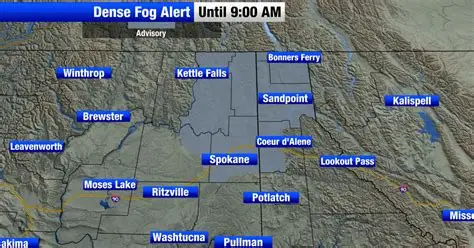
Drivers across the Washington, D.C., region woke up to limited visibility and slick roads Friday morning.
A Freezing Fog Advisory was issued for parts of Maryland and West Virginia as dense fog combined with below-freezing temperatures, creating hazardous travel conditions during the early commute.
The advisory, issued by the National Weather Service, warned that moisture in the air could freeze on contact with cold surfaces, forming a thin layer of ice on bridges, overpasses, and untreated roads.
Officials said the conditions were expected to improve later in the morning as temperatures gradually rose and visibility improved.
Areas Under the Freezing Fog Advisory

The advisory covered portions of western Maryland and eastern West Virginia, where colder overnight temperatures allowed fog to freeze on road surfaces.
Commuters in suburban and rural areas reported visibility dropping below a quarter mile in some locations.
According to the National Weather Service forecast office serving the region, freezing fog can create black ice that is difficult to see, especially before sunrise.
“Freezing fog deposits a thin glaze on surfaces,” a meteorologist with the NWS Baltimore/Washington office said. “It doesn’t take much to create slick spots, particularly on bridges and elevated roadways.”
Timeline: How Friday Morning’s Weather Developed
Forecasters had predicted the possibility of dense fog developing late Thursday night as winds remained light and moisture lingered near the ground.
Temperatures fell below 32 degrees Fahrenheit in parts of Maryland and West Virginia overnight. As fog formed, the moisture froze on contact with cold pavement.
By early Friday morning, transportation officials began receiving reports of reduced visibility and slippery conditions.
The advisory remained in effect through the morning commute, with gradual improvement expected by mid-morning as sunlight and rising temperatures helped melt surface ice.
Impact on Friday Commute
The combination of low visibility and icy patches led to slower traffic across major routes.
Drivers along Interstate corridors and secondary roads were urged to reduce speed and increase following distance.
Local transportation departments monitored conditions but did not immediately report widespread closures. However, officials emphasized caution.
“When you encounter freezing fog, slow down and give yourself extra time,” a Maryland transportation spokesperson said. “Conditions can vary significantly from one stretch of road to the next.”
Schools and government offices in most affected areas remained open, though some districts issued advisories to parents about potential delays.
Why Freezing Fog Is Especially Dangerous
Freezing fog differs from typical fog because the moisture in the air freezes when it touches surfaces that are at or below freezing.
That can create a nearly invisible layer of ice.
Bridges, overpasses, and shaded roadways are particularly vulnerable since they cool faster than other surfaces.
Even a light glaze can make stopping distances longer and increase the risk of minor collisions during heavy traffic periods.
The National Weather Service advises drivers to treat freezing fog conditions similarly to freezing rain events, even if precipitation is not actively falling.
Background: Winter Weather in the DC, Maryland, West Virginia Region
The Washington metropolitan area often experiences variable winter conditions, especially when cold air settles into valleys and low-lying regions overnight.
Western Maryland and parts of West Virginia are more prone to freezing fog due to elevation changes and rural terrain.
Weather experts say freezing fog events tend to occur under calm wind conditions, allowing moisture to linger near the surface.
This latest advisory followed several mornings of fluctuating temperatures across the Mid-Atlantic region.
Official Statements and Safety Guidance
The National Weather Service encouraged residents to check updated forecasts before traveling.
“Visibility can change rapidly,” the NWS advisory noted. “Motorists should be prepared for sudden reductions in visibility and icy surfaces.”
State police agencies in affected areas reminded drivers to use low-beam headlights in fog and avoid abrupt braking.
Emergency officials did not report major weather-related accidents early Friday but said monitoring would continue throughout the morning.
What Happens Next
Forecasters expect temperatures to rise later Friday, reducing the risk of continued icing.
However, additional fog could redevelop in isolated areas if moisture remains and skies clear again overnight.
Residents are encouraged to monitor updated forecasts from the National Weather Service and local transportation agencies for any additional advisories.
Key Facts at a Glance
| Event | Location | Date | Who Is Affected | Current Status | What Drivers Should Know |
|---|---|---|---|---|---|
| Freezing Fog Advisory | Parts of Maryland and West Virginia | Friday morning | Commuters, drivers, local residents | Advisory active during early commute | Expect low visibility and possible black ice |
| Dense Fog Conditions | Washington, D.C. metro region | Early morning hours | Drivers on highways and local roads | Improving mid-morning | Slow down and use headlights |
| Icy Road Risk | Bridges and overpasses | Friday | Motorists in affected counties | Conditions monitored | Black ice possible even without rain |
FAQs: DC Weather and Freezing Fog
What is a Freezing Fog Advisory?
A Freezing Fog Advisory is issued when fog forms in sub-freezing temperatures, creating icy surfaces and reduced visibility.
Which areas were affected?
Parts of western Maryland and eastern West Virginia were under advisory, with fog also impacting the broader Washington, D.C. region.
How long did the advisory last?
It covered the early Friday morning commute and was expected to expire as temperatures rose.
Is freezing fog the same as freezing rain?
No. Freezing fog forms from moisture in the air freezing on contact, while freezing rain involves falling precipitation.
Are schools or offices closed?
Most schools and government offices remained open, though drivers were urged to exercise caution.
What should drivers do in freezing fog?
Reduce speed, increase following distance, use low-beam headlights, and avoid sudden braking.
Closing
Freezing fog created hazardous driving conditions across parts of Maryland and West Virginia early Friday, slowing commutes throughout the region.
As temperatures climb and visibility improves, conditions are expected to stabilize. Still, weather officials advise residents to stay alert for changing forecasts, especially during early morning hours when freezing fog is most likely to develop.


Leave a Comment