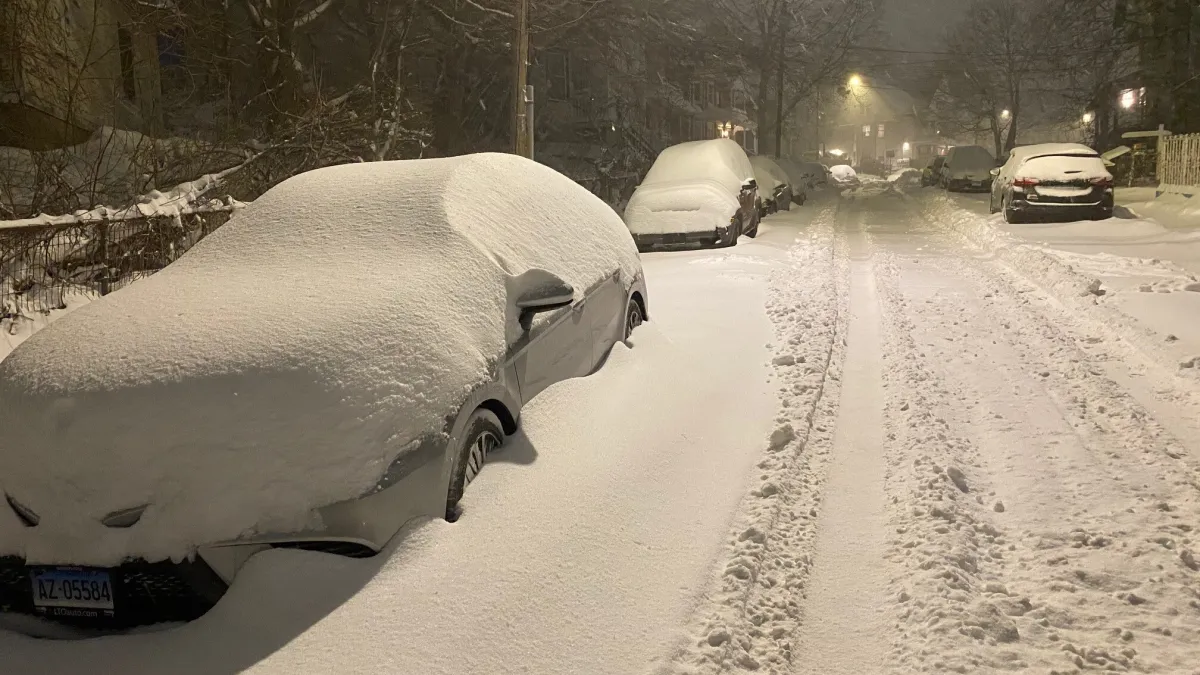
Blizzard Calvin has come and gone, but its impact is still unfolding across Connecticut’s public schools.
After multiple days of closures due to heavy snow and icy conditions, districts are now facing a familiar winter dilemma: how and when to make up lost classroom time.
Superintendents across the state are reviewing academic calendars, weighing state attendance requirements, and consulting with boards of education as snow days stack up.
The decisions will affect thousands of students, teachers and families — especially as the academic year moves into its final stretch.
Blizzard Calvin Brings Widespread School Closures in Connecticut
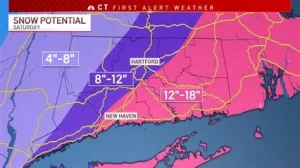
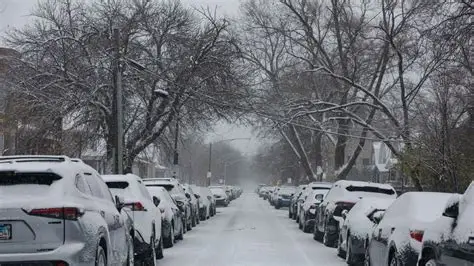
Blizzard Calvin swept through Connecticut earlier this week, delivering significant snowfall and hazardous travel conditions.
Snow totals varied by region, but many communities reported enough accumulation to force school closures for consecutive days. In some districts, delayed openings quickly turned into full cancellations as road conditions worsened overnight.
Municipal plow crews worked around the clock to clear primary routes, but secondary roads and sidewalks remained challenging, particularly in suburban and rural areas.
Local emergency management officials urged caution, emphasizing student safety during peak snowfall hours.
State Requirements and School Calendar Rules
Under Connecticut law, public schools must meet a minimum of 180 instructional days each academic year.
Districts typically build several snow days into their calendars. However, once those are exhausted, administrators must choose between extending the school year, shortening spring break, or converting planned holidays into instructional days.
A superintendent in central Connecticut said during a recent board meeting, “We plan for winter weather every year, but when closures cluster like this, it forces difficult calendar adjustments.”
The Connecticut State Department of Education has previously allowed limited flexibility under extraordinary circumstances, but routine weather closures generally require makeup days.
Timeline: From Blizzard to Calendar Review
Blizzard Calvin made landfall in the region earlier this week, with forecasts warning of significant snowfall and high winds.
School districts began announcing closures the evening before peak impact, citing anticipated road hazards.
As snowfall continued into the following day, additional closures were announced across multiple counties.
By midweek, superintendents had begun reviewing the number of days already used and assessing remaining buffer days in their academic calendars.
Several districts confirmed they are now approaching or exceeding the number of built-in snow days.
How Districts Are Weighing Makeup Options
Superintendents are considering several approaches.
One option involves adding instructional days at the end of the school year, pushing the final day of classes further into June.
Another possibility is converting scheduled professional development days into full student attendance days.
Some districts may also adjust April vacation schedules, though such changes can create complications for families who have already made travel arrangements.
A shoreline district superintendent said, “Our goal is to minimize disruption while meeting state requirements. We understand families need clarity as soon as possible.”
Final decisions are expected in the coming days as weather patterns stabilize.
Impact on Students and Families
For many parents, snow days are both a welcome break and a logistical challenge.
Childcare arrangements, work schedules and transportation plans can be disrupted when closures occur unexpectedly.
As makeup days are added, summer plans may need adjustment.
Teachers, meanwhile, are recalibrating lesson pacing to ensure curriculum milestones remain on track.
Education analysts note that consistency in instructional time is particularly important during testing preparation periods.
Official Statements and State Response
The Connecticut State Department of Education has not issued a statewide mandate regarding makeup strategies but reiterated the 180-day requirement.
In a brief statement, a department spokesperson said, “Local boards of education are responsible for maintaining compliance with state instructional day requirements.”
Several districts have pledged to communicate updated calendars by the end of the week.
School boards are expected to vote on any significant changes during upcoming public meetings.
Public Reaction Across Communities
Community response has been measured but attentive.
Some parents have expressed concern about extending the school year too far into late June, citing family commitments and camp schedules.
Others have voiced support for maintaining instructional time to ensure academic continuity.
On local social media forums, discussions have centered on whether remote learning days could count toward instructional requirements, though current state policy does not automatically substitute traditional snow days with virtual sessions.
Education advocates have emphasized the importance of predictable planning.
Key Facts at a Glance
| Event | Location | Date | Who Is Affected | Current Status | What Readers Should Know |
|---|---|---|---|---|---|
| Blizzard Calvin school closures | Connecticut statewide | This week | Public school students & staff | Multiple closure days recorded | Districts reviewing calendar adjustments |
| Makeup day deliberations | Various school districts | Ongoing | Families, teachers, administrators | Decisions pending | State requires 180 instructional days |
| Calendar revision proposals | Local boards of education | Upcoming meetings | School communities | Under discussion | Options include extending school year |
Why This Matters for the Academic Year
Winter disruptions are not unusual in New England, but timing can influence curriculum pacing.
As districts move closer to standardized testing windows and graduation milestones, administrators must balance compliance with academic readiness.
Even small calendar changes can ripple across transportation schedules, extracurricular programs and district budgets.
Superintendents say clarity is a priority.
One district leader noted, “Families deserve as much notice as possible. We’re working through the numbers carefully.”
What Happens Next
School boards will review proposed adjustments in public sessions over the next week.
Final calendars are expected to be published shortly after board approval.
If additional storms occur, districts may face further adjustments.
For now, administrators are focused on restoring routine classroom schedules while meeting statutory requirements.
Frequently Asked Questions (FAQs)
How many instructional days are required in Connecticut?
Public schools must provide at least 180 instructional days each academic year.
How many snow days have districts used?
That varies by district, but several have already used most or all built-in snow days.
Will the school year be extended?
Some districts are considering extending the school year into June.
Can remote learning replace snow days?
Current policies generally require in-person instructional days unless specific emergency approvals are granted.
When will final decisions be announced?
Most districts expect to finalize calendar updates during upcoming board meetings.
Does the state decide makeup days?
Local boards of education determine calendar adjustments within state requirements.
Conclusion
Blizzard Calvin disrupted school schedules across Connecticut, leaving administrators with decisions about how to make up lost time.
With state instructional requirements in place, districts are reviewing options that balance academic needs and family planning.
School communities should monitor local board announcements in the coming days as revised calendars are finalized.






Leave a Comment