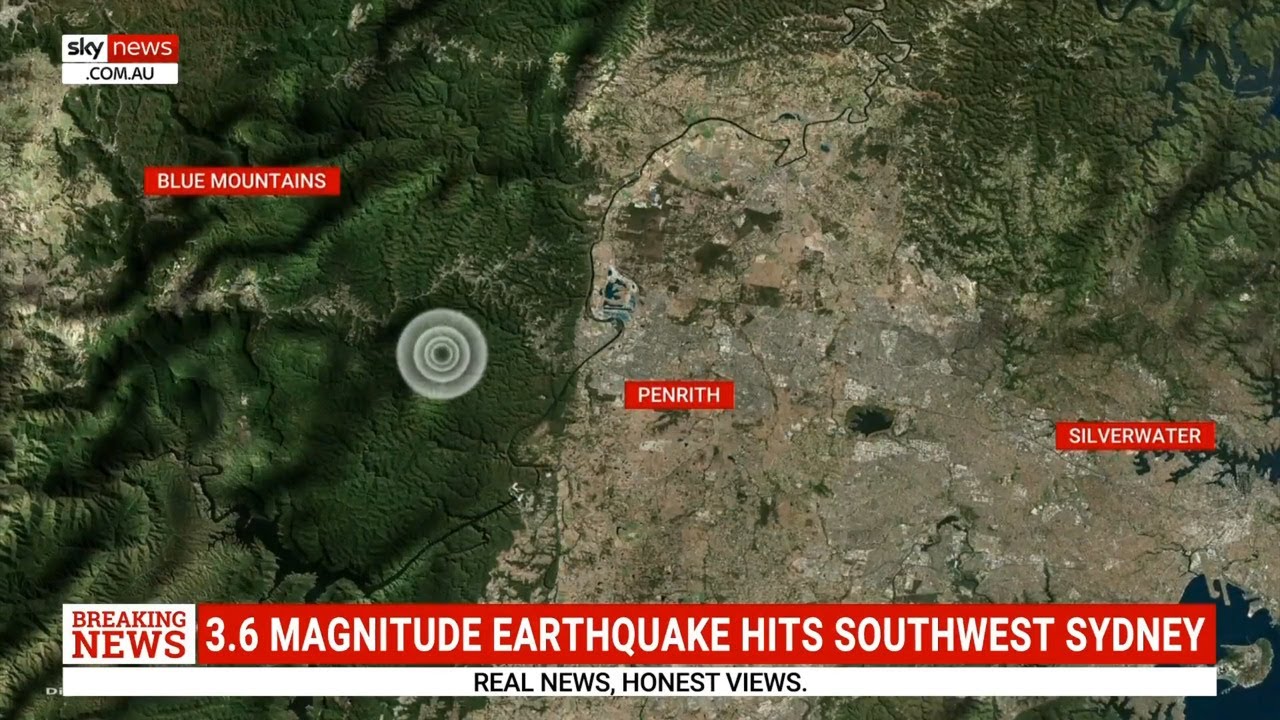
A small earthquake rattled parts of Salt Lake County on Friday evening.
The 3.6-magnitude quake struck near West Valley City and was felt across portions of the Wasatch Front, according to federal officials.
The tremor occurred at approximately 6:32 p.m., based on data from the U.S. Geological Survey (USGS). While no immediate reports of damage or injuries were confirmed, residents across several communities said they felt a brief jolt.
For many in the area, even minor quakes draw attention. Utah sits along active fault lines, and shaking events — even small ones — are closely monitored.
Earthquake Summary at a Glance
| Event | 3.6-Magnitude Earthquake |
|---|---|
| Location | Near West Valley City, northwest of Magna, Utah |
| Date | Friday evening, February 2026 |
| Time | Approximately 6:32 p.m. |
| Who Is Affected | Residents in West Valley City, Magna, Taylorsville, Kearns, Salt Lake City |
| Current Status | No major damage or injuries reported |
| What Readers Should Know | Minor shaking possible after small quakes; monitor official updates |
Where the Earthquake Hit
According to the U.S. Geological Survey, the epicenter was located about 2.8 miles north-northwest of West Valley City. The point of origin was just northwest of Magna.
The depth of the quake was relatively shallow, which often allows shaking to be felt more noticeably even at moderate magnitudes.
Communities including Taylorsville, Kearns, and Salt Lake City reported feeling the tremor.
Residents described a quick jolt, followed by a few seconds of light shaking.
Timeline of the Event
The earthquake occurred at approximately 6:32 p.m. local time.
Within minutes, reports began appearing on the USGS “Did You Feel It?” page, where residents can log their experiences.
Local law enforcement agencies and emergency management offices began assessing conditions shortly afterward.
As of late Friday evening, there were no confirmed reports of structural damage or injuries.
Official Response and Monitoring
The U.S. Geological Survey confirmed the preliminary magnitude as 3.6.
Magnitude readings can be revised slightly as additional seismic data is analyzed.
Utah’s Department of Public Safety and local emergency managers did not issue evacuation notices or emergency alerts following the event.
A spokesperson with Salt Lake County Emergency Management said crews were monitoring the situation but had not received damage reports.
“Small earthquakes are common along the Wasatch Front,” the spokesperson said. “We encourage residents to review earthquake preparedness plans, even after minor events.”
Seismologists say quakes of this magnitude typically cause minimal damage but can serve as reminders of the region’s seismic activity.
Why the Wasatch Front Sees Earthquakes
The Wasatch Front lies near the Wasatch Fault, a major fault line running along much of northern Utah.
The fault system is capable of producing significantly larger earthquakes, though smaller tremors occur more frequently.
A 3.6-magnitude earthquake is generally classified as minor.
According to seismic experts, earthquakes between 3.0 and 3.9 are often felt but rarely cause damage.
Still, residents often take notice.
“Even a small quake can feel strong if it’s shallow and close to populated areas,” a University of Utah seismologist said in a previous public briefing about regional seismic trends.
Public Reaction Across Salt Lake County
Shortly after the tremor, residents turned to social media to ask whether others had felt shaking.
Some described windows rattling. Others said it felt like a heavy truck passing by.
In Magna and West Valley City, several people reported brief but noticeable movement.
Salt Lake City residents, particularly those in multi-story buildings, also reported feeling light swaying.
Local emergency communication channels remained active but calm.
No widespread service disruptions were reported.
What Happens After a 3.6-Magnitude Earthquake?
Aftershocks are possible following any earthquake, though they are not guaranteed.
Aftershocks, if they occur, are typically smaller than the initial event.
Seismologists will continue reviewing seismic data over the coming days to determine whether the quake is part of a minor sequence.
Officials recommend residents use the event as a reminder to:
-
Secure heavy furniture
-
Prepare emergency supply kits
-
Review family communication plans
Even minor earthquakes can prompt safety reviews.
Understanding Earthquake Magnitude
The magnitude scale measures the energy released at the source of an earthquake.
Each whole number increase represents roughly 32 times more energy release.
A 3.6 quake releases significantly less energy than a 5.0 or 6.0 event.
Damage at 3.6 is uncommon, particularly in areas with modern building codes.
Utah building standards account for seismic activity, particularly along the Wasatch Fault corridor.
Continued Monitoring
The U.S. Geological Survey continues to collect data from seismic stations across Utah.
Magnitude and location details remain preliminary and could be refined.
Local authorities have not announced road closures, structural inspections, or public safety alerts related to the event.
Residents are encouraged to report what they felt through official channels to assist with seismic mapping.
Frequently Asked Questions (FAQ)
Where was the earthquake located?
The quake was centered about 2.8 miles north-northwest of West Valley City, just northwest of Magna.
How strong was the earthquake?
It measured 3.6 in magnitude, according to preliminary data from the U.S. Geological Survey.
Was the earthquake felt in Salt Lake City?
Yes. Residents in Salt Lake City, Taylorsville, Kearns, and nearby communities reported feeling shaking.
Was there any damage?
As of Friday evening, no major damage or injuries had been reported.
Are aftershocks expected?
Aftershocks are possible but not guaranteed. If they occur, they are typically smaller.
Is Utah prone to earthquakes?
Yes. The Wasatch Front sits near an active fault system capable of producing seismic activity.
Conclusion
A 3.6-magnitude earthquake struck near West Valley City on Friday evening, sending light shaking across parts of Salt Lake County and the Wasatch Front.
While no significant damage has been reported, the event underscores Utah’s ongoing seismic activity and the importance of preparedness.
Officials continue monitoring for aftershocks and reviewing seismic data.
Residents should stay informed through local authorities and the U.S. Geological Survey for any updates.


Leave a Comment