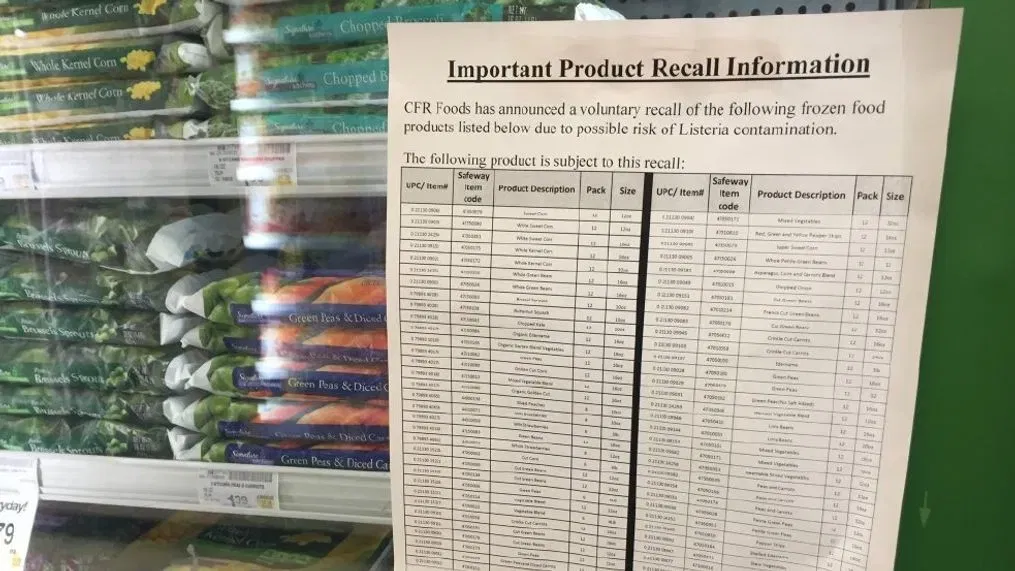
More than 3 million pounds of frozen food are being pulled from stores across the United States after concerns that some products may contain glass fragments.
The recall, announced by the U.S. Department of Agriculture’s Food Safety and Inspection Service, affects a range of ready-to-eat frozen meals distributed nationwide.
Federal officials said the action was taken out of an abundance of caution after reports raised the possibility of foreign material contamination.
The recall matters because the products may already be in consumers’ freezers, and glass contamination poses a potential injury risk if consumed.
USDA Recall Details: What Was Announced
The recall was issued by the U.S. Department of Agriculture through its inspection arm, the Food Safety and Inspection Service.
According to the agency, more than 3 million pounds of frozen food products are affected.
The items were distributed to retail locations across multiple states. Officials have not reported confirmed injuries linked to the recall at this time.
The agency classified the recall due to potential contamination with glass fragments, which could cause oral injury or internal damage if consumed.
FSIS stated that the issue was discovered after the company received a consumer complaint.
How the Potential Glass Contamination Was Identified
The problem reportedly surfaced when a customer contacted the manufacturer to report finding foreign material in a frozen product.
Following that complaint, the company notified federal food safety officials.
An internal review prompted the recall, and USDA inspectors began working with the manufacturer to identify affected production lots.
Food safety recalls often move quickly once a credible complaint is received, especially when foreign objects such as glass are involved.
A spokesperson for the Food Safety and Inspection Service said in a statement, “We take all reports of potential contamination seriously and act swiftly to protect public health.”
Timeline of Events Leading to the Recall
-
Consumer complaint received by manufacturer
-
Company notifies USDA food safety officials
-
Investigation identifies potentially affected batches
-
Nationwide recall announced
-
Retailers begin removing products from shelves
The recall process includes coordination with grocery stores and distributors to ensure affected products are no longer sold.
Consumers are advised to check packaging details carefully.
Background: How USDA Food Recalls Work
The USDA oversees recalls involving meat, poultry, and certain processed egg products.
When contamination risks are identified, the agency works with companies to issue recall notices that include production codes, establishment numbers, and use-by dates.
Recalls are categorized by risk level. Potential foreign-object contamination typically results in heightened urgency because of possible physical harm.
Food safety remains a central responsibility of the USDA and its inspection service.
“Foreign materials like glass present a clear hazard,” said Sarah Sorscher, director of regulatory affairs at the Center for Science in the Public Interest. “Even a small fragment can cause injury.”
Public Reaction and Consumer Concerns
News of the recall quickly spread across social media and local news outlets.
Consumers expressed concern about whether products already purchased were safe to eat.
Retailers have posted recall notices in stores and online, encouraging customers to check lot codes.
Some shoppers reported discarding products immediately out of caution.
While no confirmed injuries have been announced, health officials emphasize that consumers should not take chances with potentially contaminated food.
What Consumers Should Do Now
The USDA advises consumers who purchased the affected frozen food items to:
-
Check product labels for matching lot codes and production dates
-
Avoid consuming recalled items
-
Return products to the place of purchase or discard them safely
Consumers with health concerns after consuming the product are advised to contact a healthcare provider.
Retailers are expected to continue pulling affected items from shelves.
Key Facts at a Glance
| Event | Location | Date | Who Is Affected | Current Status | What Readers Should Know |
|---|---|---|---|---|---|
| Frozen Food Recall | United States (nationwide distribution) | Announced recently by USDA | Consumers who purchased affected frozen meals | Ongoing recall | Over 3 million pounds may contain glass fragments |
| Contamination Risk | Production facilities under USDA oversight | Identified after complaint | Retail customers | Under investigation | No confirmed injuries reported |
| Retail Action | Grocery stores nationwide | Ongoing | Retailers and distributors | Products being removed | Check lot codes before consuming |
What Happens Next in the Recall Process
Federal inspectors will continue reviewing production processes at the manufacturing facility involved.
Companies typically examine supply chains and packaging systems to determine how contamination may have occurred.
If additional products are identified as affected, the recall could be expanded.
Consumers are encouraged to monitor updates from the USDA website and retailer notifications.
Food safety experts note that recalls are a precautionary measure designed to reduce harm.
“Recalls are part of the safety net,” Sorscher said. “They’re not uncommon, but they are critical in preventing injuries.”
Frequently Asked Questions
Why was the frozen food recalled?
The recall was issued due to potential contamination with glass fragments, which could pose an injury risk.
How much food is involved in the recall?
More than 3 million pounds of frozen food products are included.
Has anyone been injured?
As of the USDA announcement, no confirmed injuries have been reported.
How do I know if my product is affected?
Check the lot code, establishment number, and production date listed on the recall notice.
What should I do if I bought the product?
Do not consume it. Return it to the store or dispose of it safely.
Who oversees food recalls like this?
The USDA’s Food Safety and Inspection Service manages recalls involving meat and poultry products.
Closing
The recall of more than 3 million pounds of frozen food underscores the importance of food safety monitoring and rapid response systems.
While no injuries have been confirmed, federal officials are urging consumers to review their freezer contents and follow recall instructions.
Further updates are expected as the investigation continues and as retailers complete product removals.





Leave a Comment