
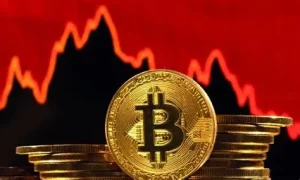
Crypto markets are reeling after a massive selloff wiped out roughly $2 trillion in value.
Bitcoin, the world’s largest cryptocurrency, was trading around $67,000 as of 7:00 a.m. in London on Thursday — nearly 47% below its October high.
Smaller digital tokens, often referred to as altcoins, have fallen even more sharply. Liquidity across exchanges has thinned, and companies that stockpiled digital assets during the boom are now facing renewed pressure.
Still, at a major industry gathering in Hong Kong this week, executives projected calm — even confidence.
Key Facts at a Glance
| Event | Location | Date | Who Is Affected | Current Status | What Readers Should Know |
|---|---|---|---|---|---|
| Crypto Market Crash | Global | Ongoing | Investors, crypto firms, exchanges | Market down roughly $2 trillion from peak | Bitcoin down ~47% from October high |
| Consensus Conference | Hong Kong | This week | Crypto executives, industry leaders | Upbeat tone despite market decline | Leaders cite long-term cycles |
Bitcoin Price Drop and Market Volatility
Bitcoin’s slide to around $67,000 marks a sharp reversal from its October peak. The decline reflects broader instability in digital asset markets.
Altcoins — smaller, more speculative tokens — have seen steeper losses. Many have dropped significantly as investors pulled back from high-risk assets.
Trading liquidity has become uneven. Market participants describe conditions as “patchy,” meaning fewer buyers and sellers are available at predictable prices.
Listed companies that previously accumulated digital assets are now confronting balance sheet strain as valuations fall.
South Korea’s Changing Crypto Sentiment
South Korea has long been known as a hub for retail crypto trading, particularly in speculative tokens.
But recent data and commentary suggest enthusiasm is cooling. Investors there are reportedly shifting focus to other asset classes.
That shift matters because South Korean traders have historically played an outsized role in global crypto volumes.
“When retail momentum fades in markets like South Korea, it’s noticeable,” said a digital asset analyst based in Singapore. “It tends to amplify broader risk-off behavior.”
Inside Hong Kong’s Consensus Conference
Against that backdrop, industry leaders gathered at the Consensus conference in Hong Kong.
The event drew executives from major exchanges, blockchain startups and investment firms.
Despite the downturn, the tone inside the conference halls was markedly different from market headlines.
Richard Teng, co-chief executive officer of Binance Holdings Ltd., addressed the volatility in an interview with Bloomberg TV.
“I do urge people not to just look at one point of time, because in crypto we go through cycles,” Teng said. “We’ve seen ups and downs before.”
Binance is the world’s largest digital-assets exchange by trading volume.
Crypto Market Cycles: Boom and Bust Pattern
Veterans of the industry often describe crypto markets as cyclical.
Periods of rapid gains are typically followed by sharp corrections. The current downturn fits that historical pattern.
Previous crashes — including those in 2018 and 2022 — erased billions in market value before partial recoveries followed.
Analysts caution, however, that past performance does not guarantee future rebounds.
“Crypto remains highly volatile and sentiment-driven,” said a Hong Kong-based fintech consultant attending the conference. “Confidence can shift quickly.”
Liquidity Concerns and Corporate Pressure
One of the immediate challenges in the current market is thinning liquidity.
Lower trading volumes can make price swings more extreme. Investors may struggle to execute large trades without moving the market.
Publicly listed firms that held significant cryptocurrency reserves are under scrutiny from shareholders.
As asset prices fall, those holdings weigh on financial statements.
Some companies have already scaled back exposure or diversified into other revenue streams.
Hong Kong’s Role in the Global Crypto Industry
Hong Kong has positioned itself as a digital asset hub in recent years.
Regulators there have introduced licensing frameworks for crypto exchanges, aiming to balance innovation with oversight.
The city competes with financial centers such as Singapore and Dubai to attract blockchain businesses.
Conference organizers and local officials have emphasized Hong Kong’s commitment to becoming a regulated crypto gateway.
That positioning may explain the relatively upbeat tone at the event.
“Hong Kong is focused on building infrastructure for the long term,” said one panel moderator during a session on regulation. “Market cycles come and go.”
Investor Reaction: Caution and Selective Buying
Outside conference venues, investor sentiment appears more restrained.
Some traders view the downturn as a buying opportunity, while others remain cautious amid broader macroeconomic uncertainty.
High interest rates and tighter global financial conditions have weighed on risk assets, including cryptocurrencies.
Institutional participation in crypto has grown over the years, but retail investors still account for a large share of activity.
Market strategists say volatility could persist as global economic data and regulatory developments unfold.
What Happens Next for Crypto Markets?
The immediate outlook depends on several factors.
Global economic conditions, regulatory changes and investor appetite for risk will shape the trajectory.
Bitcoin’s ability to stabilize above key price levels could influence broader sentiment.
Meanwhile, policymakers in multiple jurisdictions continue to refine digital asset rules.
Industry leaders at the Hong Kong conference emphasized long-term development over short-term price moves.
Whether markets recover swiftly or face further pressure remains uncertain.
Frequently Asked Questions
How much has the crypto market fallen?
Approximately $2 trillion has been erased from the overall crypto market value during the downturn.
What is Bitcoin’s current price?
Bitcoin was trading around $67,000 as of 7:00 a.m. in London on Thursday.
Why are altcoins falling more sharply?
Altcoins are generally more speculative and tend to experience larger swings during market selloffs.
What did Binance’s CEO say about the crash?
Richard Teng said investors should not focus on one moment in time and noted that crypto markets move in cycles.
Why is South Korea important to crypto markets?
South Korea has historically been a major center for retail crypto trading, influencing global volumes.
Is Hong Kong still supporting crypto development?
Yes. Hong Kong has implemented regulatory frameworks aimed at fostering digital asset growth while maintaining oversight.
Closing
The crypto market’s $2 trillion decline has unsettled investors and pressured companies across the industry.
Bitcoin remains well below its recent peak, and speculative tokens have suffered steeper losses.
Yet at a major gathering in Hong Kong, industry leaders framed the downturn as part of a familiar cycle.
Investors will now watch price movements, regulatory developments and global economic signals for clues about where digital assets head next.







Leave a Comment