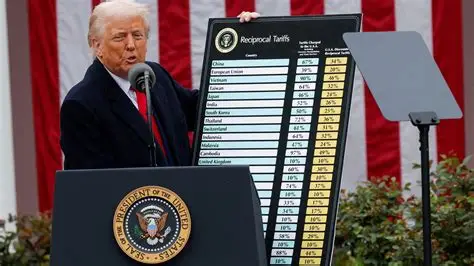
U.S. stock futures edged lower after the Supreme Court struck down a key set of tariffs introduced during former President Donald Trump’s administration.
The decision, which affects certain import duties imposed during the U.S.-China trade conflict, sent a ripple through financial markets. Investors weighed the potential economic impact as trading opened across Asia and Europe.
While some global markets moved higher on expectations of eased trade tensions, U.S. futures pointed to a softer start on Wall Street.
The ruling could reshape trade policy discussions and influence corporate supply chains, pricing and investor sentiment in the months ahead.
Supreme Court Decision on Trump Tariffs
In a closely watched case, the Supreme Court of the United States invalidated portions of the tariff framework enacted under former President Donald Trump.
The tariffs were introduced as part of a broader strategy aimed at addressing trade imbalances and intellectual property concerns with China.
The Court’s ruling focused on legal authority and procedural issues surrounding how certain duties were implemented.
Legal analysts say the decision does not eliminate all trade restrictions but could unwind specific measures that had remained in place since the height of the trade dispute.
“This ruling clarifies the limits of executive authority in trade actions,” said trade attorney Melissa Grant. “It creates uncertainty in the short term but may lead to more structured policymaking.”
US Stock Futures React to Tariff Ruling
Following the decision, U.S. futures markets moved modestly lower in premarket trading.
Futures tied to the S&P 500, Dow Jones Industrial Average and Nasdaq Composite signaled a cautious opening. Investors appeared to balance the potential benefits of reduced tariffs against broader economic uncertainty.
Market strategists say the initial reaction reflects short-term adjustment rather than panic.
“Investors are recalibrating expectations,” said David Kim, senior market analyst at a New York-based investment firm. “Lower tariffs could ease cost pressures for some companies, but policy shifts introduce new variables.”
Some sectors closely tied to global trade, including manufacturing and technology, saw mixed performance in early trading.
Global Markets Show Mixed Performance
Across Asia, markets reacted unevenly.
Indexes in China and parts of East Asia posted modest gains amid speculation that reduced tariffs could support export activity. Meanwhile, European markets traded mixed, with investors assessing how the ruling might influence transatlantic trade dynamics.
Currency markets showed limited volatility, while bond yields remained relatively stable.
Economists note that tariff policy plays a role in global supply chains and pricing structures, meaning any changes can have wide-reaching effects.
Background: The Trump Tariffs and Trade Dispute
The Trump administration imposed a series of tariffs beginning in 2018 during escalating trade tensions between the United States and China.
The measures targeted hundreds of billions of dollars in goods, ranging from industrial components to consumer products.
Supporters argued the tariffs were necessary to address unfair trade practices. Critics contended they increased costs for American businesses and consumers.
Some tariffs were modified or paused in subsequent negotiations, but others remained in place.
The Supreme Court’s decision centers on the legal justification for specific duties and how they were enacted under existing trade laws.
Timeline of Key Developments
-
2018: Trump administration announces tariffs amid U.S.-China trade dispute.
-
2019–2020: Additional duties imposed; negotiations continue.
-
Subsequent Years: Some tariffs adjusted but many remain in effect.
-
Recent Ruling: Supreme Court invalidates portions of tariff framework.
-
Market Reaction: U.S. futures dip; global markets mixed.
Official Statements and Reactions
White House officials said they are reviewing the ruling and its implications for current trade policy.
A spokesperson noted that the administration remains committed to “fair and balanced trade practices that protect American workers.”
Business groups responded cautiously.
The U.S. Chamber of Commerce released a statement saying the decision could provide “needed clarity” for companies navigating international supply chains.
Meanwhile, labor organizations emphasized the importance of maintaining safeguards for domestic industries.
The broader reaction suggests the ruling may reopen debate over how tariffs should be structured and enforced.
Key Facts at a Glance
| Event | Location | Date | Who Is Affected | Current Status | What Readers Should Know |
|---|---|---|---|---|---|
| Supreme Court Tariff Ruling | Washington, D.C. | Recent decision | Importers, exporters, investors | Portions invalidated | Some Trump-era tariffs struck down |
| US Futures Movement | U.S. markets | Premarket trading | Investors | Slightly lower | Markets reacting cautiously |
| Global Market Reaction | Asia, Europe | Same trading session | International investors | Mixed | Some gains tied to trade outlook |
| Trade Policy Review | Federal government | Ongoing | Businesses, consumers | Under review | Future adjustments possible |
What Happens Next?
Legal experts expect federal agencies to review affected tariffs and determine how to comply with the ruling.
Congress could also revisit trade legislation if policymakers seek to clarify executive authority.
For investors, attention will likely shift to corporate earnings guidance and any announcements regarding tariff adjustments.
Market volatility may persist in the short term as traders assess the broader economic implications.
Frequently Asked Questions
What did the Supreme Court decide about Trump tariffs?
The Court invalidated portions of the tariff framework enacted during the Trump administration, citing legal and procedural concerns.
Why did US futures fall?
Investors reacted cautiously to the policy shift, weighing potential benefits against uncertainty.
Do all tariffs get removed?
No. The ruling affects specific measures, not all existing trade restrictions.
How could this affect consumers?
Reduced tariffs could lower costs for certain imported goods, though broader impacts remain unclear.
Are global markets rising?
Some international markets posted gains, while others traded mixed.
What happens next in trade policy?
Federal agencies will review the ruling, and policymakers may consider legislative adjustments.
Closing
The Supreme Court’s decision to invalidate portions of the Trump-era tariff framework has introduced a new chapter in U.S. trade policy.
While U.S. futures edged lower and global markets reacted unevenly, the long-term economic effects remain uncertain. Businesses, investors and policymakers are now assessing how the ruling will shape future trade actions.
Market participants will be watching for official guidance and any additional policy updates in the coming weeks.





Leave a Comment