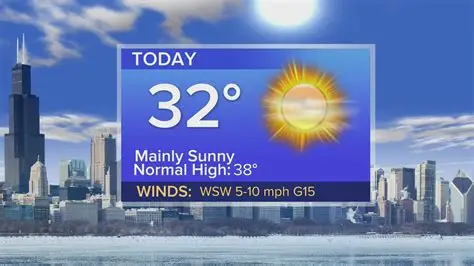
A cold morning combined with lingering moisture created slippery conditions across several areas, making travel difficult for commuters and pedestrians. With temperatures hovering in the 30s, surfaces such as roads, sidewalks, and parking lots became prone to ice formation. Authorities have urged residents to remain cautious during the early hours as freezing conditions increase the risk of accidents.
Freezing Temperatures Create Early-Morning Hazards
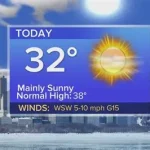
Many residents woke up to a chilly start as temperatures dropped into the 30-degree range overnight. While the cold weather itself is not unusual during this time of year, the presence of moisture on surfaces created particularly slippery conditions in the early morning hours.
Meteorologists explained that when temperatures hover near the freezing mark, even small amounts of moisture—such as overnight rain, melting snow, or condensation—can quickly turn into thin layers of ice. This phenomenon, sometimes referred to as “black ice,” is especially dangerous because it can be difficult to see.
Drivers traveling during the morning commute were advised to reduce speed, maintain greater distances between vehicles, and avoid sudden braking. Even well-maintained roads can become hazardous when temperatures remain near freezing.
Commuters Face Difficult Travel Conditions
The combination of low temperatures and icy patches led to challenging travel conditions across several communities. Drivers reported slick roadways, particularly on bridges, overpasses, and less-traveled streets where ice tends to form more quickly.
Transportation officials noted that elevated road surfaces freeze faster than regular roads because they are exposed to cold air from both above and below. As a result, bridges and overpasses are often the first areas where ice develops during cold weather events.
Morning commuters were encouraged to allow extra travel time and remain alert for sudden changes in road conditions. Pedestrians were also advised to exercise caution while walking on sidewalks and parking lots, where ice can accumulate unnoticed.
Weather Pattern Behind the Icy Conditions
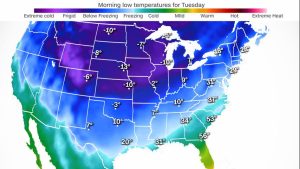
Meteorologists attribute the slippery conditions to a combination of overnight cooling and residual moisture from previous precipitation. When temperatures fall into the 30s, water left on surfaces can begin to freeze, creating a thin but dangerous layer of ice.
Even when air temperatures remain slightly above the freezing point, certain surfaces—especially metal or shaded areas—can cool enough to allow ice formation. This is why drivers may encounter icy spots even when thermometers suggest conditions should be safe.
Weather experts say such conditions are most common during seasonal transitions when temperatures fluctuate between warmer daytime levels and colder nighttime lows.
Safety Tips for Cold and Icy Mornings
Officials recommend several precautions to reduce the risk of accidents during cold mornings. Drivers should keep their vehicles well maintained, including ensuring that tires have sufficient traction for winter conditions.
Reducing speed is one of the most effective ways to prevent accidents on icy roads. Sudden acceleration, braking, or sharp turns can cause vehicles to lose control on slippery surfaces.
Pedestrians should also take extra care by wearing shoes with good traction and using handrails where available. Parking lots and sidewalks can become unexpectedly slick, particularly in shaded areas that do not receive direct sunlight.
In addition, residents are encouraged to clear walkways and steps around their homes to reduce the risk of slips and falls.
Gradual Improvement Expected Later in the Day
While the morning began with icy conditions, meteorologists expect travel conditions to improve gradually as temperatures rise later in the day. Increased sunlight and slightly warmer air can help melt thin ice layers that form overnight.
However, experts warn that shaded areas may remain slippery for longer periods, especially in locations where temperatures struggle to climb above freezing.
Residents should remain cautious even after temperatures begin to rise, as melting ice can still create wet and slick surfaces.
Conclusion
The combination of temperatures in the 30s and lingering moisture created hazardous travel conditions during the morning hours, leading to slippery roads and sidewalks. Authorities are urging drivers and pedestrians to remain cautious and adjust their routines to account for the icy conditions. As temperatures increase throughout the day, conditions are expected to gradually improve, but caution will remain essential during the early hours of cold-weather mornings.


Leave a Comment